
Planning a small wedding is often simpler, more personal, and easier to manage than a large celebration but it still takes thoughtful organization. The key is to decide what matters most to you as a couple, set a realistic budget, create a manageable guest list, and book the essentials before filling in the smaller details.
A small wedding does not have to feel basic or rushed. With fewer guests, you can often spend more attention on the food, venue, photography, ceremony, or personal touches that make the day meaningful. The following steps will help you plan everything in the right order without taking on unnecessary expenses or stress.
Decide What “Small” Means to You
Before choosing a venue or making a guest list, decide what size wedding you actually want.
For one couple, a small wedding might mean 15 to 30 guests. For another, it could mean 50 to 75. There is no universal number that defines a small wedding.
Think about the experience you want:
- Intimate: Only immediate family and closest friends
- Small but traditional: A larger family group with selected friends
- Micro wedding: A very small celebration focused on the ceremony and a meal
- Destination-style: A smaller guest list because travel naturally limits attendance
- At-home wedding: A relaxed celebration in a private home or backyard
Knowing your preferred size makes almost every later decision easier because guest count affects the venue, food, invitations, seating, and overall budget.
Set Your Wedding Priorities First
One of the easiest ways to overspend is to start booking things before deciding what matters most.
Sit down together and choose three to five priorities. For example:
- A beautiful ceremony location
- Great food
- Professional photography
- Comfortable accommodation for immediate family
- Simple but meaningful decorations
Once your priorities are clear, you can spend more confidently on the things you care about and simplify areas that matter less.
For example, if photography is extremely important, you might choose simple centerpieces and skip elaborate wedding favors. If food is your biggest priority, you could choose a less expensive venue that allows you to put more of the budget toward catering.
This approach is much more useful than trying to make every part of the wedding equally impressive.
Create a Realistic Wedding Budget
The next major step is deciding how much you can comfortably spend.
Start with the total amount available, then divide it among the major categories. A small wedding can still become expensive if you add premium vendors, custom details, transportation, accommodation, and last-minute purchases without tracking the total.
A basic wedding budget might include:
| Category | What to consider |
| Venue | Ceremony and reception space, rental fees |
| Food and drinks | Catering, cake, beverages |
| Photography | Coverage length and photographer |
| Attire | Wedding clothes, shoes, accessories |
| Flowers | Bouquet, ceremony flowers, table arrangements |
| Decorations | Signage, candles, table details |
| Invitations | Printing, postage, digital invitations |
| Music | DJ, live musicians, or playlist |
| Transportation | Couple, family, or guest transportation |
| Beauty | Hair, makeup, grooming |
| Wedding rings | Rings and related costs |
| Miscellaneous | Tips, alterations, permits, last-minute purchases |
Keep some money aside for unexpected costs. Even a carefully planned wedding can produce small expenses that were not included in the original budget.
How to Save Money on a Small Wedding
A smaller guest list already gives you an advantage, but you can reduce costs further by being selective.
Consider:
- Choosing an off-peak wedding date
- Holding the ceremony and reception at the same location
- Using digital invitations
- Limiting elaborate floral arrangements
- Choosing a simple cake design
- Renting decorations instead of buying everything
- Selecting a shorter photography package
- Using a playlist instead of hiring a DJ when appropriate
- Hosting a brunch or lunch instead of an evening reception
- Avoiding wedding favors that guests are unlikely to use
The goal is not to make the wedding look cheap. It is to spend intentionally.
How to Start Planning a Wedding
If you are wondering how to start planning a wedding, begin with the decisions that affect everything else.
A practical starting order is:
- Decide your preferred wedding size.
- Set your overall budget.
- Choose a general date or season.
- Create a preliminary guest list.
- Find a suitable venue.
- Book the most important vendors.
- Send invitations.
- Plan food, decorations, attire, and other details.
- Confirm final numbers and arrangements.
- Create a final wedding-day schedule.
You do not need to make every decision during the first week. Concentrate first on the choices that have a domino effect on everything else.
For example, booking the venue before knowing your approximate guest count can create problems if the space is too large or too small.
Choose the Guest List Carefully
Guest-list decisions can be one of the hardest parts of planning a small wedding.
When space and budget are limited, you cannot necessarily invite everyone you know. That does not mean you need to make the process uncomfortable. Instead, establish clear rules and apply them consistently.
Start with the people you cannot imagine celebrating without.
A useful system is to divide names into groups:
Group 1: Essential Guests
These might include:
- Parents
- Siblings
- Grandparents
- Closest friends
- People who have played a major role in your lives
Group 2: Important Guests
These may include:
- Close relatives
- Long-term friends
- Important mentors
- Extended family members you regularly see
Group 3: Optional Guests
These could include:
- Casual friends
- Work colleagues
- Distant relatives
- Social acquaintances
If the list is still too large, work downward rather than trying to remove people randomly.
How to Organize a Wedding Guest List
The easiest way to organize a wedding guest list is to use a simple spreadsheet or document.
Useful columns include:
| Guest | Relationship | Invited | RSVP | Meal Choice | Plus-One | Notes |
| Guest name | Family/Friend | Yes/No | Pending | Meal | Yes/No | Special details |
Keep the guest list updated as soon as invitations are sent and responses arrive.
You should also decide your rules before inviting people. For example, you might decide whether children are invited, whether unmarried guests can bring a plus-one, and whether coworkers will be included.
Consistent rules make difficult decisions easier.
What About Plus-Ones?
Plus-ones can significantly change the size and cost of a small wedding.
Instead of making individual decisions based on how well you know someone’s partner, establish a general policy. You might offer plus-ones to married couples, engaged couples, or long-term partners while keeping the guest list smaller for casual relationships.
Whatever rule you choose, apply it as consistently as possible.
Choose the Right Venue
For a small wedding, the venue can have a major effect on the atmosphere.
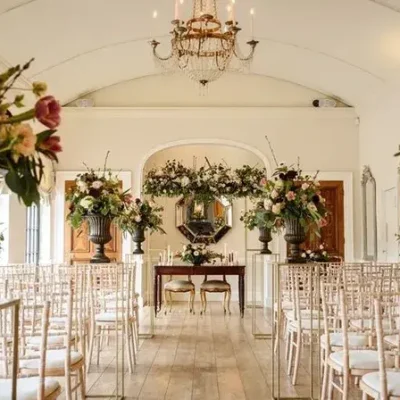
A space designed for 200 people may feel empty with 25 guests, even if it looks beautiful in photographs. Smaller venues often create a warmer environment and can reduce decoration requirements.
Potential options include:
- Small restaurants
- Private dining rooms
- Boutique hotels
- Gardens
- Historic buildings
- Private homes
- Backyards
- Small event spaces
- Community venues
- Outdoor ceremony locations
When comparing venues, ask what is actually included.
Check whether the price covers:
- Tables and chairs
- Linens
- Setup and cleanup
- Parking
- Catering
- Kitchen access
- Lighting
- Sound equipment
- Restrooms
- Staff
- Ceremony and reception areas
A venue with a higher rental fee may actually be cheaper overall if it includes several services you would otherwise need to hire separately.
Choose a Date That Works for Your Priorities
Your wedding date affects availability and pricing, but it also affects your guests.
Think about:
- Weather
- Holidays
- School schedules
- Travel requirements
- Family availability
- Seasonal venue demand
- Vendor availability
If saving money is important, ask venues about less popular dates. A weekday, Sunday, or off-season celebration may provide more flexibility than a popular Saturday.
Do not choose a date simply because it is available. Make sure it works for the people who are most important to you.
Book the Most Important Vendors First
Once the venue and date are confirmed, focus on vendors who can only serve one wedding at a time.
Depending on your plans, these may include:
- Photographer
- Caterer
- Florist
- Hair and makeup professionals
- DJ or musicians
- Cake baker
- Transportation provider
You do not necessarily need every type of vendor.
For example, a restaurant reception may already include food and staff. A small backyard wedding may not require a traditional florist, DJ, or transportation service.
Ask every vendor about pricing, deposits, cancellation policies, arrival times, overtime charges, and exactly what is included.
Plan the Ceremony
A small wedding gives you more freedom to make the ceremony personal.
Think about:
- Ceremony location
- Officiant
- Vows
- Readings
- Music
- Processional
- Seating
- Ring exchange
- Cultural or family traditions
You do not need to include every traditional element.
If you prefer a short ceremony followed by a relaxed meal, that is perfectly reasonable. The ceremony should reflect the couple rather than simply reproduce a standard wedding format.
Decide What You Want to Wear
Your wedding attire should fit both your personal style and the type of celebration you’re planning.
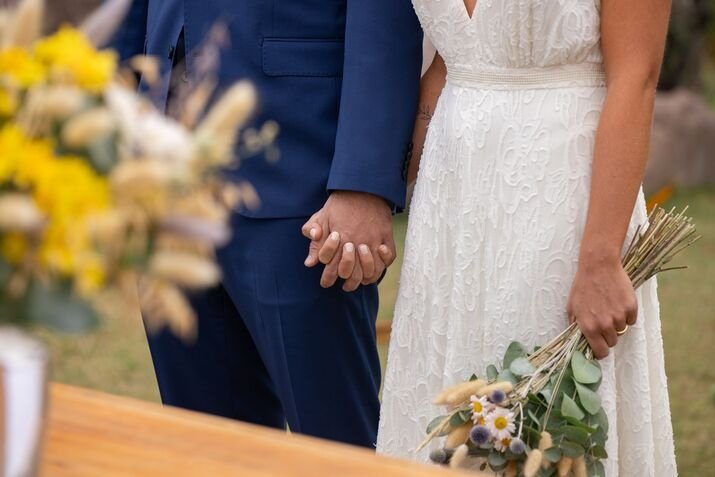
A formal ballroom wedding may call for traditional formalwear, while a backyard ceremony could suit a simpler outfit.
When budgeting for clothing, remember to include:
- Alterations
- Shoes
- Accessories
- Jewelry
- Undergarments
- Grooming
- Cleaning or preservation if needed
Try to avoid choosing an outfit based only on how it looks in a store. Consider whether it will be comfortable for standing, walking, sitting, dancing, and photographs.
Keep the Food Simple but Thoughtful
A small guest count can allow you to improve the dining experience without creating an enormous menu.
Depending on the venue and style of wedding, you might choose:
- Plated dinner
- Family-style meal
- Buffet
- Restaurant dinner
- Brunch
- Cocktail-style reception
- Food stations
Think about what your guests will actually enjoy rather than choosing food simply because it looks elaborate.
Ask about dietary requirements early. Vegetarian, vegan, allergy-related, and other dietary needs should be communicated to the caterer before the final guest count is submitted.
Choose Decorations That Fit the Space
A small wedding usually does not require a huge amount of decoration.
Instead of decorating every surface, identify a few areas that deserve attention:
- Ceremony backdrop
- Head table
- Guest tables
- Welcome table
- Cake table
- Photo area
For example, a small restaurant reception may need little more than flowers, candles, place cards, and a few personal details.
A common mistake is buying decorations before seeing the venue in person. The space itself may already provide attractive walls, lighting, architecture, or outdoor scenery.
Plan the Photography Around the Smaller Guest List
Small weddings can be excellent for photography because there is often more time for genuine interactions.
Talk with your photographer about the moments you care about most.
You may want:
- Family portraits
- Couple portraits
- Ceremony photographs
- Candid guest photographs
- Detail shots
- Getting-ready photographs
- Reception moments
If your wedding is very small, you may not need a full-day photography package. A shorter package covering the ceremony, portraits, and key reception moments may be enough.
Decide on Entertainment
Entertainment should match the size and atmosphere of the celebration.
A small wedding does not automatically need a large DJ setup.
Possible choices include:
- Solo musician
- Acoustic duo
- Small live band
- DJ
- Curated playlist
- Background music during dinner
If you use a playlist, make sure someone is responsible for starting and stopping music, handling volume, and solving technical problems. You do not want the couple to become the event’s sound technician.
Invitations and RSVPs
Once the date, venue, and guest list are settled, send invitations early enough for guests to plan.
Your invitation should clearly communicate:
- Couple’s names
- Date
- Time
- Location
- RSVP instructions
- Dress expectations when relevant
- Reception details
- Website or additional information if applicable
For a very small wedding, digital invitations can be practical and inexpensive. If the event is formal or family traditions matter, printed invitations may feel more appropriate.
Whatever format you choose, make the RSVP process simple.
Create a Wedding-Day Timeline
A wedding can feel chaotic when nobody knows what happens next.
Create a timeline that includes major events and realistic travel or preparation time.
For example:
| Time | Activity |
| 10:00 AM | Hair and makeup begins |
| 1:00 PM | Photographer arrives |
| 2:00 PM | Couple gets dressed |
| 3:00 PM | Family photographs |
| 4:00 PM | Ceremony |
| 4:30 PM | Couple and guest photographs |
| 5:30 PM | Dinner |
| 6:30 PM | Cake and speeches |
| 7:00 PM | Music and celebration |
| 8:30 PM | Final photographs |
| 9:00 PM | Reception ends |
Your actual schedule will depend on your venue and plans. The important thing is to leave enough breathing room between activities.
Do not schedule every minute of the day.
Delegate Small Tasks
One benefit of a small wedding is that you may know most of your guests well. That can make delegation easier.
Choose one or two reliable people to handle practical questions on the wedding day.
They might be responsible for:
- Directing vendors
- Holding emergency supplies
- Answering guest questions
- Checking the timeline
- Collecting personal items
- Handling gifts or cards
- Communicating with the venue
This prevents the couple from being interrupted throughout the day.
Common Small-Wedding Planning Mistakes
Inviting More People Than the Venue Can Comfortably Handle
A small venue should not be packed simply to accommodate a growing guest list. Decide whether the space or guest count is more important before finalizing either.
Spending Money on Details Guests Will Barely Notice
Personalized napkins, elaborate favors, and dozens of decorative items can consume a surprising amount of money. Prioritize details that actually improve the experience.
Leaving the Guest List Until the Last Minute
The guest count affects nearly everything, including food, seating, invitations, and venue capacity. Get a preliminary list together early.
Forgetting About Setup and Cleanup
A venue may charge separately for setup or require the wedding party to clean up afterward. Clarify these responsibilities before signing the contract.
Trying to Do Everything Yourself
DIY details can save money, but too many projects can turn the final weeks into a stressful production schedule. Choose only a few DIY elements that are genuinely worth your time.
Not Having a Backup Plan for Outdoor Events
If your ceremony or reception is outdoors, decide in advance what happens if the weather changes. A backup plan is much easier to manage when it has been arranged before the wedding day.
A Simple Small-Wedding Planning Checklist
- Decide what size wedding you want
- Set the total budget
- Choose your top priorities
- Select a wedding date or season
- Create the preliminary guest list
- Research and visit venues
- Book the venue
- Book priority vendors
- Choose wedding attire
- Plan the ceremony
- Select food and drinks
- Arrange flowers and decorations
- Send invitations
- Track RSVPs
- Finalize meal requirements
- Create the seating arrangement
- Prepare the wedding-day timeline
- Assign day-of responsibilities
- Confirm vendors
- Prepare an emergency kit
- Confirm final guest count
- Review every booking and payment
- Enjoy the celebration
Frequently Asked Questions
How do you plan a wedding from scratch?
Start by deciding your preferred wedding size, total budget, date range, and guest list. Then choose a venue and book the vendors that are most important to you. Once the major decisions are settled, move on to attire, food, invitations, decorations, and the wedding-day schedule.
How far in advance should you start planning a small wedding?
There is no single timeline that works for every wedding. A small wedding can sometimes be organized relatively quickly, particularly if you have a flexible date and guest list. Starting earlier gives you more venue and vendor choices, while a shorter timeline requires quicker decisions.
What is the first thing to do when planning a wedding?
Set your priorities and budget before making major bookings. Knowing how much you can spend and what matters most will make decisions about the venue, guest list, vendors, and style much easier.
How do you make a small wedding feel special?
Focus on the guest experience and personal details rather than trying to imitate a large wedding. A meaningful ceremony, good food, thoughtful music, personal vows, comfortable seating, and plenty of time to talk with guests can make a small celebration feel memorable.
How do you organize a wedding guest list?
Start with the people you most want beside you on the wedding day. Divide the list into essential, important, and optional guests, then reduce it according to your budget and venue capacity. Use a spreadsheet to track invitations, RSVPs, meal choices, and plus-ones.
Should a small wedding have a seating chart?
Not always. If the reception is very casual, assigned seating may not be necessary. For a formal meal or a small group with complicated family dynamics, a seating plan can make the event more comfortable.
Is a small wedding cheaper than a large wedding?
It can be, because fewer guests generally mean less food, fewer tables, fewer invitations, and less space is required. However, a small wedding can still be expensive if you choose premium venues and vendors or spend heavily on customization.
What can you skip at a small wedding?
You can skip any tradition that does not add value to your celebration. Depending on your preferences, that could include elaborate favors, a large bridal party, extensive decorations, a DJ, or multiple reception activities.
What should you prioritize when planning a small wedding?
Prioritize the elements that directly affect your experience and your guests’ comfort. For many couples, that means a suitable venue, good food, photography, a meaningful ceremony, and enough time to enjoy the people who attend.
How can you avoid stress while planning a small wedding?
Keep the guest list controlled, make decisions in order of importance, track your budget, and delegate wedding-day responsibilities. Avoid adding new projects or traditions simply because you see them in other weddings.
Make the Small Wedding Work for You
The best small wedding is not one that tries to look like a large wedding with fewer people. It is a celebration designed around the people attending, the couple’s priorities, and the kind of day they actually want.
Start with the guest count and budget, choose a venue that fits the scale of the celebration, and spend your money on the parts that matter most. Once those decisions are settled, the rest becomes much easier to organize. A smaller guest list can ultimately give you something a large wedding often cannot: more time to be present, talk with the people you love, and enjoy the day instead of managing it.