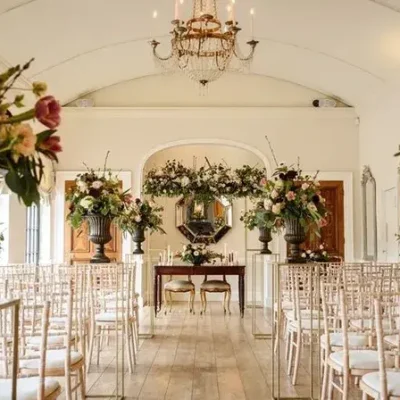


Learning how to plan a destination wedding starts with one important shift: you are not simply planning a wedding in a beautiful place. You are coordinating travel, accommodation, vendors, legal requirements, guest logistics, and the celebration itself often from a distance.
The easiest way to keep everything manageable is to make the major decisions in the right order. Choose the destination and approximate guest count first, establish a realistic budget, confirm the legal requirements, secure the venue, and then work through travel and wedding details.
A destination wedding can be intimate and memorable without becoming unnecessarily complicated. The key is knowing which details need early attention and which ones can wait.
Decide What Kind of Destination Wedding You Want
Before choosing a country or venue, define the type of experience you want.
Some couples picture a small ceremony overlooking the ocean. Others want a mountain setting, historic European town, tropical resort, or relaxed celebration at a private property.
Think about:
- How many guests you want to invite
- Whether children will attend
- How far guests are expected to travel
- Whether you want a legal ceremony or symbolic ceremony
- How long you want the trip to last
- Whether guests will stay together or choose their own accommodations
- How formal the wedding should feel
- Whether you want the wedding and honeymoon in the same destination
Your guest list matters more than the scenery. A remote location may look incredible, but it may not be practical for grandparents, guests with limited vacation time, or people traveling with children.
Set a Realistic Destination Wedding Budget
Destination weddings can involve expenses that do not appear in a traditional local wedding budget.
Your budget may need to cover:
- Venue
- Ceremony
- Reception
- Food and drinks
- Wedding attire
- Photography
- Flowers and decorations
- Music or entertainment
- Wedding planner
- Guest transportation
- Accommodation
- Flights
- Marriage-related paperwork
- Activities for guests
- Wedding stationery
- Vendor travel fees
- Tips and service charges
Decide early which expenses you will pay for and which guests will handle themselves.
For example, you might pay for the ceremony and reception while guests arrange their own flights and hotel rooms. Another couple may cover accommodation for close family members but ask other guests to pay their own travel costs.
There is no single correct arrangement. The important thing is to communicate expectations clearly before guests commit to the trip.
Choose the Destination Around Your Guests
A destination should be exciting for you, but it also needs to be realistically accessible.
When comparing destinations, look at:
- Flight availability
- Travel time
- Airport connections
- Accommodation options
- Local transportation
- Weather during your wedding season
- Local wedding regulations
- Language considerations
- Currency
- Vendor availability
- Overall travel costs
A destination that requires several flights, long drives, or complicated transfers can become difficult for guests.
If most of your guests live in one region, you may want to choose a destination with relatively convenient connections from that area.
Consider the Wedding Season
The most attractive season is not always the easiest or cheapest.
Research the typical conditions during your proposed wedding dates, including:
- Temperature
- Rainfall
- Storm risks
- Wildfire risks where relevant
- Tourist season
- Local holidays
- Venue availability
- Travel demand
Outdoor weddings require particular attention to weather. A gorgeous outdoor location is much easier to enjoy when you have a realistic backup plan.
Build Your Guest List Before Booking the Venue
One of the biggest mistakes in destination wedding planning is booking a venue before knowing roughly how many people will attend.
Start with an initial guest list and divide it into:
- Must-invite guests
- Close family and friends
- Extended family
- Additional guests
You do not need the final RSVP count immediately, but you need a realistic estimate.
A wedding for 20 people can work beautifully at a small restaurant, villa, or private property. A wedding for 150 guests requires much more attention to accommodation, transportation, catering, and event infrastructure.
Remember that destination weddings can have lower attendance than local weddings because guests need to take time off work and pay for travel.
Decide Whether You Need a Wedding Planner
A destination wedding planner can be particularly useful when you are unfamiliar with the destination.
A planner may help with:
- Finding venues
- Recommending local vendors
- Scheduling meetings
- Coordinating contracts
- Managing the wedding timeline
- Handling local logistics
- Organizing transportation
- Coordinating vendors on the wedding day
- Communicating with suppliers while you are elsewhere
This becomes even more useful if there is a language barrier or if local wedding customs and regulations are unfamiliar.
Do You Need a Wedding Planner for a Wedding in Italy?
If you are considering Italy, a wedding planner for a wedding in Italy can be useful because you may be coordinating everything from another country.
Italy offers many different wedding settings, from countryside estates and historic properties to coastal venues and city locations. The challenge is not simply finding a beautiful place; it is coordinating local suppliers, contracts, transportation, scheduling, and legal requirements.
If you hire a planner, ask how familiar they are with your specific region rather than simply choosing someone who works somewhere in Italy.
Ask:
- Which regions do you regularly work in?
- Do you have relationships with local venues?
- Do you coordinate legal paperwork?
- Can you communicate with vendors in the local language?
- What services are included in your fee?
- How many weddings do you manage on the same date?
- Can you provide references from recent couples?
A planner should reduce your workload rather than add another layer of uncertainty.
Choose Your Venue Carefully
Your destination wedding venue needs to work as an event space, not just as a beautiful backdrop.
Consider:
- Guest capacity
- Ceremony space
- Reception space
- Indoor backup area
- Catering facilities
- Restrooms
- Accessibility
- Parking
- Accommodation nearby
- Noise restrictions
- Event end time
- Vendor restrictions
- Decoration rules
- Setup and cleanup arrangements
Ask whether the venue is experienced with weddings of your size.
Also find out whether the venue is private during your event or whether other guests or events may be present.
Think Beyond the Main Wedding Area
Your destination wedding may become a multi-day experience.
If guests are traveling a long way, you may want to organize optional events such as:
- Welcome dinner
- Casual drinks
- Group excursion
- Brunch
- Farewell meal
You do not need to pay for every activity. Even providing guests with a list of nearby restaurants, attractions, and transportation options can help them make the most of the trip.
Understand the Legal Requirements
Legal marriage requirements vary significantly by country and, in some cases, by region.
Before paying a nonrefundable deposit, determine whether you can legally marry at your chosen destination and what documentation will be required.
Depending on the location, requirements may involve:
- Identification documents
- Birth certificates
- Proof of marital status
- Divorce or death certificates from previous marriages
- Translations
- Certified copies
- Witnesses
- Residency requirements
- Marriage applications
- Local appointments
- Official fees
Requirements can change, so verify them with the relevant local authorities or consular resources rather than relying entirely on a venue or social media post.
Legal Ceremony vs. Symbolic Ceremony
Some couples complete the legal marriage in their home country and hold a symbolic wedding at their destination.
This can simplify the destination celebration because you may not need to navigate all of the local legal requirements.
A symbolic ceremony can still include the traditions that matter to you, including vows, rings, readings, family participation, and a formal processional.
If having the legal ceremony at the destination is important to you, investigate the requirements before making the venue decision.
Plan Travel and Accommodation Early
Once the destination and approximate guest list are established, start thinking about where everyone will stay.
Look for accommodation that offers a range of price points when possible.
Options may include:
- Hotels
- Resorts
- Vacation rentals
- Villas
- Guesthouses
- Apartment-style accommodations
You do not necessarily need every guest to stay in the same property.
However, having a central accommodation area can make transportation and group activities much easier.
Provide guests with practical information about:
- Nearest airport
- Transportation from the airport
- Recommended neighborhoods
- Hotel options
- Approximate travel times
- Check-in and check-out policies
- Local transportation
Avoid assuming that every guest has the same travel budget.
Be Careful With Private Vacation Rentals
A private house or vacation rental can sound like an ideal destination wedding venue, but a property being available for overnight stays does not automatically mean weddings or large gatherings are permitted.
This is particularly important if you are searching for a rental near a popular natural attraction.
For example, someone searching for a wedding Airbnb near Glacier National Park, Montana needs to check more than the property’s appearance and sleeping capacity. The owner, rental platform rules, local regulations, neighborhood restrictions, insurance requirements, parking, noise limits, and event policies may all affect whether a wedding can actually be held there.
Always get written confirmation that events are permitted before treating a vacation rental as your wedding venue.
If a property is only intended for overnight accommodation, use it as lodging and arrange the wedding at a venue that is specifically equipped and permitted for events.
Send Save-the-Dates Early
Destination wedding guests need more time than guests attending a local wedding.
A save-the-date should give guests enough information to start planning travel and accommodation.
Include:
- Your names
- Wedding date
- Destination
- General venue area if confirmed
- Wedding website or information page, if available
You do not need to have every wedding detail finalized before sending the save-the-date.
The goal is to give guests enough information to reserve time off and begin considering travel.
Create a Wedding Website or Information Page
A destination wedding creates more questions than a local celebration.
Guests may want to know:
- Where should I stay?
- Which airport should I use?
- How do I get to the venue?
- What is the weather like?
- Do I need special travel documents?
- What should I wear?
- How long should I stay?
- What activities are nearby?
A central information page can answer these questions and reduce repeated messages.
Keep the information practical and update it when plans change.
Choose Vendors With Local Experience
Local vendors understand the destination in ways that a supplier traveling from elsewhere may not.
Depending on your plans, you may need:
- Photographer
- Videographer
- Florist
- Caterer
- Baker
- DJ or musician
- Hair and makeup artist
- Transportation company
- Rental company
- Officiant
- Planner
Ask for recent examples of weddings they have worked on in the same area.
Also clarify:
- What is included in the price
- Deposit requirements
- Cancellation policy
- Travel charges
- Setup fees
- Overtime rates
- Payment methods
- Backup arrangements
Do not assume a vendor’s social media portfolio tells you everything about their service.
Decide What to Bring and What to Source Locally
Trying to transport every wedding item across borders can quickly become impractical.
Before packing anything, decide what genuinely needs to travel with you.
Items you may want to bring include:
- Wedding rings
- Important documents
- Special accessories
- Sentimental decorations
- Wedding attire
- Small personal details
Items that may be easier to source locally include:
- Large decorations
- Flowers
- Tables and chairs
- Heavy signage
- Catering equipment
- Large quantities of favors
If you are traveling internationally, also consider luggage limits and customs requirements for anything unusual or valuable.
Plan the Wedding Weekend, Not Just the Wedding Day
A destination wedding often becomes a short vacation for the couple and their guests.
A simple schedule might look like this:
| Day | Possible Plan |
| Thursday | Guest arrivals and optional dinner |
| Friday | Welcome gathering or free day |
| Saturday | Wedding ceremony and reception |
| Sunday | Brunch or casual farewell |
| Monday | Guest departures |
You do not need to fill every hour.
In fact, leaving free time can make the experience more enjoyable. Guests may want to explore independently, rest after traveling, or spend time with family.
Make the Experience Comfortable for Guests
Destination wedding guests are making a bigger commitment than someone attending a local wedding.
A thoughtful approach is to make the trip easier rather than expecting everyone to follow a packed schedule.
Useful touches include:
- Clear travel instructions
- Accommodation suggestions
- Transportation information
- A realistic itinerary
- Weather guidance
- Dress-code information
- Local recommendations
- Emergency contact information
If possible, tell guests about major expected expenses early. Surprises are much harder to manage after someone has already booked flights.
Plan for Unexpected Problems
Destination weddings have more moving parts, so a backup plan matters.
Think through what you would do if:
- A vendor cancels
- A flight is delayed
- Weather disrupts an outdoor event
- Important luggage is delayed
- A transportation provider is late
- A guest becomes ill
- A venue problem appears
- A payment or document issue occurs
You do not need a solution for every imaginable problem.
Focus on the situations that could seriously affect the wedding and make sure someone other than the couple is responsible for handling them.
That is one reason an experienced planner or coordinator can be valuable.
A Destination Wedding Planning Timeline
12–18 Months Before
- Choose a destination
- Estimate the guest list
- Set the overall budget
- Research venues
- Investigate legal requirements
- Hire a planner if needed
- Reserve the venue
- Set the wedding date
9–12 Months Before
- Research accommodation
- Book important vendors
- Send save-the-dates
- Create a wedding information page
- Begin planning transportation
- Decide on the wedding style
6–9 Months Before
- Confirm guest travel plans
- Finalize major vendors
- Choose wedding attire
- Plan flowers and decorations
- Arrange activities or welcome events
- Review legal paperwork
3–6 Months Before
- Send invitations
- Confirm accommodation details
- Finalize transportation
- Confirm menu
- Review the wedding-day timeline
- Purchase important accessories
- Check documentation requirements again
1–2 Months Before
- Confirm final guest numbers
- Finalize seating arrangements
- Confirm vendor arrival times
- Prepare documents
- Share final travel information
- Confirm weather backup plans
Final Week
- Keep important documents accessible
- Confirm all vendors
- Check transportation
- Review the final schedule
- Give responsibilities to your planner or designated coordinator
- Allow yourself some downtime
Common Destination Wedding Mistakes
Booking a Beautiful Venue Without Checking the Rules
A stunning property is not necessarily a suitable wedding venue. Confirm that weddings and your planned guest count are permitted.
Assuming Guests Can Afford the Trip
Guests have different financial circumstances. Give them realistic information about travel and accommodation costs as early as possible.
Ignoring Legal Requirements
Do not leave marriage paperwork until the last minute. Requirements may involve documents, appointments, translations, or other steps that take time.
Planning Everything Yourself From Another Country
Remote planning can work, but local support can be extremely valuable for venue visits, vendor communication, and day-of coordination.
Overloading the Wedding Weekend
Guests may appreciate some free time after traveling. A destination wedding does not need to become a nonstop itinerary.
Forgetting a Weather Backup
Outdoor locations need a practical alternative. Decide what happens before you need to make the decision under pressure.
Trying to Transport Everything
Large or fragile wedding items may be difficult to carry internationally. Source bulky items locally when practical.
Destination Wedding Planning Checklist
- Choose the destination
- Estimate the guest list
- Set the overall budget
- Research the wedding season
- Investigate legal requirements
- Compare venues
- Confirm the venue permits your event
- Hire a local planner if needed
- Reserve the venue
- Research accommodations
- Book important vendors
- Send save-the-dates
- Create a guest information page
- Plan transportation
- Arrange the wedding-day schedule
- Confirm weather backup plans
- Send invitations
- Confirm guest numbers
- Review contracts
- Prepare important documents
- Confirm vendors before traveling
- Assign someone to handle wedding-day problems
Frequently Asked Questions
How far in advance should you plan a destination wedding?
Starting around 12 to 18 months ahead gives you more time to compare venues, research legal requirements, reserve popular dates, and give guests enough time to arrange travel.
Is a destination wedding cheaper than a traditional wedding?
It can be, but there is no universal answer. A smaller guest list may reduce some wedding expenses, while travel, accommodation, international vendors, and destination-specific costs can add others.
Who usually pays for guests’ travel to a destination wedding?
There is no universal rule. Many couples expect guests to cover their own flights and accommodation, while the couple pays for the wedding itself. Communicate the expected costs clearly before invitations are accepted.
Do you need a wedding planner for a destination wedding?
Not always, but a local planner can be especially useful when you are unfamiliar with the destination, local vendors, language, or legal requirements.
Can you have a destination wedding at an Airbnb?
Sometimes, but you must confirm that events are allowed by the property owner, rental terms, local rules, and any applicable neighborhood or venue restrictions. Overnight accommodation does not automatically mean weddings are permitted.
What is the most important thing to consider when choosing a destination?
Accessibility should be a major consideration. Think about travel time, transportation, accommodation, cost, weather, and whether the destination is practical for the people you most want there.
How do you handle legal requirements for an overseas wedding?
Start by checking the official requirements of the destination where you intend to marry. Ask which documents, translations, appointments, witnesses, and residency requirements apply, and allow plenty of time to complete them.
What should guests know before booking a destination wedding?
Give guests the date, destination, approximate travel expectations, accommodation options, transportation information, dress guidance, and any important documentation or timing considerations.
Should you plan activities for wedding guests?
Optional activities can be a nice addition, particularly when guests have traveled a long way. Keep them optional when possible so guests have time to rest or explore independently.
What should you prioritize when planning a destination wedding?
Prioritize the venue, budget, guest logistics, legal requirements, weather plan, and reliable local vendors. Once those pieces are secure, the smaller details become much easier to manage.
Make the Destination Work for the Wedding
The best destination wedding is not necessarily the one in the most exotic location. It is the one where the destination, budget, venue, guest experience, and legal requirements work together.
Start with the people who matter most, then choose a location that is realistic for them. Confirm the numbers and budget before booking anything, investigate the legal requirements early, and use local professionals when distance makes planning difficult.
Most importantly, do not confuse a beautiful photograph with a practical wedding venue. The right place should give you the setting you want while also making travel, accommodation, weather, vendors, and the wedding-day logistics manageable.